

What Is a Cosmetic Smile Makeover? Your Options
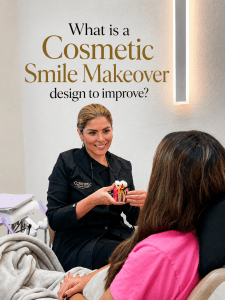
A smile can affect how comfortable you feel in photos, meetings, celebrations, and everyday conversations. So, what is a cosmetic smile makeover? It is a personalized treatment plan that improves the appearance of your smile while considering the health, function, and long-term stability of your teeth and gums.
A makeover is not one procedure or a one-size-fits-all package. For one person, it may mean professional whitening and bonding on a few chipped teeth. For another, it may involve Invisalign, veneers, crowns, implants, or gum treatment to create a healthier, more balanced result. The right plan begins with what you see when you smile and what your dentist sees when evaluating your oral health.
What Is a Cosmetic Smile Makeover Designed to Improve?
Cosmetic smile makeovers address concerns that can make a person feel self-conscious about their teeth. These may include discoloration, worn edges, chips, uneven spacing, crooked teeth, old dental work, a gummy-looking smile, or missing teeth. The goal is not to create an identical smile for every patient. It is to create a smile that looks natural, fits your facial features, and feels like you.
Function matters just as much as appearance. A tooth that is cracked, heavily worn, or missing can affect your bite and make it harder to chew comfortably. In those cases, restorative treatment may be part of the cosmetic plan. A beautiful result should also be one you can comfortably use and maintain.
At Cosmetic Smile Center, treatment planning can bring cosmetic, restorative, and preventive care together in one office. That means your routine dental health is not treated as an afterthought once your smile looks the way you want it to.
Treatments That May Be Part of a Smile Makeover
Your treatment recommendation depends on your goals, timeline, budget, tooth structure, bite, and gum health. Some patients need one conservative treatment. Others benefit from a phased plan that addresses health needs first and cosmetic improvements afterward.
Professional Teeth Whitening
Whitening is often a simple starting point for teeth that have yellowed or become stained by coffee, tea, wine, tobacco, or normal aging. It can brighten natural enamel and help create a more youthful-looking smile without changing the shape of your teeth.
Whitening does not change the color of crowns, veneers, bonding, or fillings. If you have visible older restorations, your dentist may recommend whitening first, then replacing restorations that no longer match your new shade.
Dental Bonding
Bonding uses tooth-colored composite resin to repair small chips, soften uneven edges, close minor gaps, or improve the shape of a tooth. It is generally a conservative option because it often requires little to no removal of natural enamel.
Bonding can be an excellent choice when the correction is modest and you want a more affordable way to improve a specific area. The trade-off is that composite may stain or chip over time and may need periodic polishing, repair, or replacement.
Veneers
Veneers are thin, custom-made coverings placed on the front of teeth. They can improve color, shape, proportion, minor spacing, and the appearance of worn or uneven front teeth. Many patients choose veneers when they want a more dramatic and consistent change than whitening or bonding can provide.
Because veneers are custom-designed, details matter. The shade, length, texture, and contour should complement your smile rather than look overly bright or artificial. Veneers can be a long-lasting option with good care, but they are not right for every tooth or every bite. In many cases, preparation of the tooth is needed, so the decision deserves careful planning.
Invisalign and other clear aligner treatment
Clear aligners can gradually move teeth into better positions to correct crowding, gaps, or bite concerns. Straightening teeth before cosmetic work can sometimes reduce how much reshaping or restorative treatment is needed later.
Aligners require consistency. You need to wear them as directed and attend scheduled check-ins for the treatment to stay on track. For patients willing to commit, orthodontic treatment can create a stronger foundation for a balanced smile makeover.
Crowns, implants, and tooth replacement
A crown may be recommended when a tooth is severely worn, broken, weakened by a large filling, or previously treated with a root canal. Modern crowns can restore strength while also improving color and shape.
For a missing tooth, a dental implant can replace the tooth root and support a natural-looking crown. Dentures and bridges may also be appropriate depending on the number of missing teeth, bone support, oral health, and personal preferences. Replacing missing teeth can improve both the appearance of your smile and your ability to chew and speak with confidence.
A Healthy Foundation Comes First
A cosmetic smile makeover should not cover up untreated dental problems. Cavities, active gum disease, infection, unstable restorations, and teeth affected by grinding need attention before elective cosmetic changes. This protects your investment and helps avoid unnecessary complications.
Gum health has a major visual role, too. Inflamed gums can make teeth look shorter, darker, or uneven. Healthy gum tissue frames a beautiful smile, which is why cleanings, periodontal care, and consistent home care are often part of the process.
If you clench or grind your teeth, a custom nightguard may be recommended after veneers, crowns, bonding, or orthodontic treatment. It can help protect both natural teeth and cosmetic work from excessive pressure.
What Happens During Smile Makeover Planning?
The process starts with a conversation. You can share what you like about your smile, what you wish looked different, and what matters most to you – whether that is a natural look, a faster timeline, a specific event, or a phased approach that fits your budget.
Dr. Roman will examine your teeth, gums, bite, existing restorations, and overall oral health. Photos, digital imaging, and X-rays may be used to evaluate the details that are not obvious in a mirror. You may also discuss the color and shape you prefer, but recommendations should be grounded in what will work safely and realistically for your mouth.
From there, you receive a tailored plan. Some treatment plans can be completed in a few visits, while Invisalign, implant treatment, or gum therapy may take several months. There is no advantage to rushing care that needs time to heal or move properly. A thoughtful sequence often produces the best-looking and longest-lasting outcome.
How Much Does a Cosmetic Smile Makeover Cost?
The cost varies widely because a smile makeover is customized. Whitening and bonding may be more accessible entry points, while multiple veneers, crowns, clear aligners, or implant treatment involve a larger investment. The number of teeth treated, the materials selected, and any needed health or restorative care all affect the final cost.
The most useful question is not simply, “What does a makeover cost?” It is, “What plan will give me the result I want while protecting my dental health?” Many patients choose to begin with the most noticeable concern and complete additional treatment in stages. Insurance may help with medically necessary restorative procedures, while elective cosmetic portions are commonly paid out of pocket. Membership plans and payment options can also make care more manageable for uninsured patients.
Who Is a Good Candidate?
Most adults who are unhappy with one or more aspects of their smile can explore cosmetic treatment. The best candidates have realistic expectations and are willing to maintain their results with good brushing, flossing, routine exams, cleanings, and any recommended protective appliances.
You do not need perfectly healthy teeth on day one to ask about a makeover. If you have gum problems, missing teeth, decay, or old crowns that concern you, Dr. Roman can explain the steps needed to build a healthier starting point. That is often the first meaningful stage of a smile transformation.
Common Questions About Cosmetic Smile Makeovers
Will my smile look natural?
Natural-looking dentistry considers more than bright white teeth. The best result accounts for tooth proportions, facial features, gum contours, and the small variations that keep a smile from looking overly uniform.
Can I improve my smile without veneers?
Yes. Depending on your goals, whitening, bonding, clear aligners, crowns, gum treatment, or replacement of old visible dental work may create the improvement you want. Veneers are one option, not the automatic answer.
How long will the results last?
That depends on the treatment and how you care for it. Whitening needs occasional touch-ups. Bonding may need repairs over time. Veneers, crowns, and implants can last for many years with consistent hygiene, regular dental visits, and protection from grinding.
If you have been hiding your smile or putting off treatment because you are unsure where to start, begin with a conversation about your goals. A clear, personalized plan can turn a long-standing concern into a practical next step toward a smile that feels comfortable, healthy, and genuinely yours.