

New Patient Dental Exams at Cosmetic Smile Center
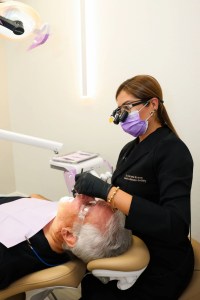
A dental appointment should not leave you guessing about your teeth, your treatment
options, or the cost of getting care. A new patient dental exam is the starting point for
clear answers. It gives Dr. Roman a complete view of your oral health while giving you
time to talk about what you want to change, whether that means avoiding future
problems, repairing a damaged tooth, replacing missing teeth, or feeling more
confident when you smile.
For many people, the hardest part is simply making the first appointment, especially
after a long gap in care or a disappointing experience elsewhere. A patient-focused first
visit is designed to replace uncertainty with a comfortable conversation and a plan that
makes sense for your needs, timeline, and budget.
What Happens During a New Patient Dental Exam?
Your first visit is more detailed than a routine checkup because Dr. Roman is getting to
know both your smile and your goals. The appointment typically begins with a review of
your health history, medications, dental experiences, and current concerns. This
information matters because conditions such as diabetes, dry mouth, acid reflux,
pregnancy, and certain medications can affect gum health, healing, and treatment
recommendations.
You will also have an opportunity to discuss what has been bothering you. Maybe you
have a tooth that hurts when you chew, older crowns that no longer look natural,
bleeding gums, crowding, stains, or a missing tooth that makes eating difficult. There is
no need to know the dental terminology. Explaining what you feel and what you would
like to improve is enough to begin a productive conversation.
Digital X-rays and Diagnostic Imaging
Many new patients need digital X-rays or other imaging as part of the examination.
These images let our dental team evaluate areas that cannot be seen during a visual
exam, including the spaces between teeth, tooth roots, jawbone levels, cavities beneath
existing fillings, and early signs of infection.
The type and number of images depend on your recent dental records, your risk factors,
and the concerns you bring to the appointment. If you have current X-rays from a
previous office, they may reduce the need for new images. If you are dealing with pain,
trauma, or planning for implants, crowns, Invisalign, or other treatment, additional
imaging may be appropriate to support an accurate diagnosis.
Examination of teeth, gums, and bite
Dr. Roman will examine your teeth for cavities, cracks, worn enamel, old restorations,
and signs of grinding or clenching. They will also check your bite, jaw function, and the
way your teeth come together. Small bite problems can contribute to chipped teeth,
headaches, uneven wear, and repeated damage to fillings or crowns.
Gum health is equally important. Healthy gums help protect the bone that supports
your teeth. The team may measure the spaces between the gums and teeth, look for
inflammation or recession, and identify signs of periodontal disease. Bleeding gums are
common, but they should never be ignored. Early treatment is generally simpler and
more affordable than waiting for gum disease to progress.
We may also perform an oral cancer screening by checking the lips, tongue,
cheeks, throat, and other soft tissues. This is a quick part of the exam, yet it is an
important preventive step for every adult patient.
A First Visit Is Also About Your Smile Goals
A new patient dental exam is not limited to finding problems. It is also a chance to
discuss the appearance and function of your smile without pressure. Some patients want
a brighter smile before a wedding, job change, or milestone event. Others want to
correct gaps, chips, uneven edges, or discoloration that has bothered them for years.
Cosmetic options should always begin with healthy teeth and gums. Once your dentist
understands your foundation, you can discuss whether professional whitening, bonding,
veneers, Invisalign, crowns, or a combination of treatments could help you reach your
goals. The right answer depends on your enamel, bite, gum health, budget, and how
much change you want to see.
For example, dental bonding can be a conservative option for minor chips or gaps, while
veneers may offer a more comprehensive cosmetic change. Invisalign can improve
alignment for many adults, but it requires consistent wear and may not be the fastest
answer for every concern. A good dentist explains these trade-offs clearly so you can
choose treatment with confidence.
Will You Receive a Cleaning at Your First Dentist Appointment?
Sometimes, but not always. Whether a cleaning is completed at the first visit depends
on the condition of your gums, the time reserved for your appointment, and the type of
cleaning you need.
If your gums are generally healthy, a routine preventive cleaning may be performed that
day or scheduled promptly afterward. If the exam shows signs of gum disease, you may
need a deeper periodontal cleaning instead. This treatment removes bacteria and
buildup below the gumline, where a routine cleaning cannot reach effectively.
It can be tempting to think of a deeper cleaning as an unexpected extra, but treating
active gum disease protects the tissues and bone that hold your teeth in place. Your
dental team should explain the findings, why a specific cleaning is recommended, and
what your next visits will involve before treatment begins.
Understanding Your Personalized Treatment Plan
At the end of the exam, you should leave with more than a list of dental terms. You
should understand what is urgent, what can be monitored, and what elective
improvements are available. A well-organized plan often separates care into phases.
Immediate needs may include pain relief, treatment for an infection, a broken tooth, or
decay that could worsen quickly. Next comes foundational care, such as gum treatment,
fillings, or replacing a failing restoration. Cosmetic changes and larger restorative
projects can often be planned after your oral health is stable.
This phased approach is helpful for patients who want to improve their smile but cannot
or do not want to complete everything at once. It allows you to address the priorities
first and move forward at a pace that feels realistic. If you are uninsured, ask about
membership options, available payment support, and new patient offers such as a $99
special. Clear financial conversations are part of patient-centered care, not an
afterthought.
How to Prepare for Your First Dental Appointment
A little preparation can make your visit more productive. Bring a list of medications,
details about medical conditions or allergies, and your insurance information if you have
coverage. If a previous dentist has taken recent X-rays or completed major treatment, let
the office know before your appointment.
It also helps to write down your questions. You may want to ask why a treatment is
needed now, how long it will last, what alternatives are available, or what happens if you
wait. If you feel anxious at the dentist, say so early. Simple accommodations, a slower
explanation, or extra time to discuss each step can make a meaningful difference.
Patients who prefer to communicate in Spanish should feel comfortable asking for
bilingual support. Understanding your diagnosis and treatment choices in the language
that feels most natural to you is essential to making informed decisions.
When Should You Schedule a New Patient Dental Exam?
Schedule soon if you have tooth pain, a broken tooth, swelling, bleeding gums, loose
teeth, sensitivity that is getting worse, or a dental restoration that feels loose. These
concerns can become more complicated when they are delayed.
You do not need to wait for discomfort to make an appointment, though. If it has been
six months, several years, or even longer since your last visit, a first exam can help you
establish a dependable baseline and prevent smaller concerns from turning into bigger
repairs. It is also the right time to ask about cosmetic improvements you have been
considering.
At Cosmetic Smile Center, patients from Coral Springs and nearby Broward County
communities can receive preventive, restorative, and cosmetic care in one welcoming
office. The goal is not to sell a one-size-fits-all treatment plan. It is to help you
understand your smile, protect what is healthy, and make practical choices about what
comes next.
Your first dental visit can be the moment when a long-standing concern finally has a
clear path forward. Bring your questions, share your goals honestly, and let the exam
give you the information to take the next step with confidence.